Thanksgiving is a tradition that brings people together worldwide. It celebrates gratitude in many ways. This article looks at how different cultures celebrate Thanksgiving, showing the rich diversity of traditions and beliefs.
Important Things To Know
- Thanksgiving is celebrated in diverse ways around the world, reflecting the unique cultural and spiritual beliefs of different societies.
- The origins of Thanksgiving can be traced to ancient harvest festivals and indigenous gratitude rituals, highlighting the universal human desire to express thankfulness.
- Gratitude practices, such as shared meals, ritual ceremonies, and communal celebrations, are integral to the Thanksgiving experience across cultures.
- Thanksgiving celebrations often have a strong connection to nature, the divine, and the cycles of life, emphasizing the spiritual dimension of the holiday.
- Exploring the diversity of Thanksgiving traditions can foster greater cross-cultural understanding and appreciation for the shared human experience of thankfulness.
What is Thanksgiving and its Origins
Thanksgiving is a beloved holiday in the United States and Canada. It has roots in harvest festivals and showing gratitude. The history of Thanksgiving is rich, blending cultural traditions and evolving celebrations.
Historical Background
The early days of Thanksgiving date back to colonial times. Settlers in North America would come together to thank God for a good harvest. These gatherings were inspired by European harvest festivals, where people celebrated their hard work and the season’s gifts.
As time went on, Thanksgiving became a big part of American and Canadian culture. In 1863, President Abraham Lincoln made Thanksgiving a national holiday. He wanted to honor the blessings from above.
Cultural Significance
Thanksgiving has a deep cultural impact. It’s a time for families and communities to come together. They share meals and think about the year’s good things.
Today, Thanksgiving is filled with traditions. There’s the famous parade, turkey dinners, and moments to give thanks. Its core is still about showing gratitude and celebrating life’s abundance.
Native American Gratitude Traditions
Native American cultures have a rich heritage of Thanksgiving-like traditions. These traditions celebrate the bounty of the land and express deep gratitude. They have greatly influenced the modern Thanksgiving celebration in the United States.
Many First Nations communities in North America honor the earth and give thanks for its abundance. The Haudenosaunee (Iroquois) Confederacy, for example, observes the Thanksgiving Address. This is a ceremonial oration that acknowledges the gifts of nature and the interconnectedness of all living things.
- The Thanksgiving Address is recited at the start of important gatherings, ceremonies, and community events. It reminds the tribe of their gratitude towards the natural world.
- The Anishinaabe (Ojibwe) people have a similar custom called the Midewiwin. It is a cherished ceremony that involves giving thanks to the Creator and the land.
- The Pueblo tribes of the Southwest United States hold annual harvest festivals. They express gratitude for the year’s bounty through traditional dances, songs, and shared meals.
These Native American Thanksgiving traditions show the deep spiritual connection indigenous communities have with the land. They express profound gratitude for the gifts of nature. By honoring these ancient practices, the modern Thanksgiving holiday has been enriched. It now has a deeper understanding of the significance of gratitude and the importance of living in harmony with the environment.
“We return thanks to our mother, the earth, which sustains us. We return thanks to the rivers and streams, which supply us with water. We return thanks to all herbs, which furnish medicines for the cure of our diseases. We return thanks to the moon and the stars, which have given to us their light when the sun was gone. We return thanks to the sun, that has looked upon the earth with a beneficent eye. Lastly, we return thanks to the Great Spirit, in whom is embodied all goodness, and who directs all things for the good of his children.” – Iroquois Thanksgiving Address
Thanksgiving and Gratitude Practices in Asia
Thanksgiving is mainly linked to North America, but many Asian cultures also celebrate it. They have their own ways to show gratitude and thankfulness. This part looks at the Asian Thanksgiving traditions in China and India, showing the variety of gratitude practices in Asia.
Chinese Thanksgiving Customs
In China, the Chinese Thanksgiving customs are tied to the Mid-Autumn Festival, or Moon Festival. This harvest celebration happens in September or October. It’s a time for families to come together, share gratitude, and enjoy the season’s harvest.
During the festival, the Chinese enjoy mooncakes, look at the full moon, and celebrate traditions. These traditions honor the land and their ancestors.
Indian Harvest Festivals
In the Indian subcontinent, Indian harvest festivals like Pongal, Onam, and Baisakhi are celebrated with joy. These festivals mark the end of the harvest season. They are filled with vibrant celebrations, traditional feasts, and rituals that show gratitude practices in Asia.
For example, during Pongal in Tamil Nadu, families cook the first rice of the season. They offer prayers of thanks to the Sun God, agricultural deities, and their livestock.
“Gratitude bestows reverence, allowing us to encounter everyday epiphanies, those transcendent moments of awe that change forever how we experience life and the world.” – John Milton
In Asia’s diverse cultures, the traditions and festivals that celebrate gratitude and thankfulness highlight deep connections. These Asian Thanksgiving traditions show the rich tapestry of gratitude practices. They remind us of our universal desire to appreciate the blessings in our lives.
European Gratitude Rituals
While Thanksgiving is mainly linked to North America, Europe has its own European gratitude traditions and European harvest festivals. These Thanksgiving-like customs in Europe show the continent’s deep respect for the land’s bounty. They also highlight the importance of coming together to show thanks.
Harvest Celebrations
Autumn in Europe brings many festivals and rituals. These honor the land’s harvest and the hard work of farmers. For example, the Erntedankfest in Germany is a big celebration. It includes parades, feasts, and decorating churches with farm products.
The Lammas festival in the UK is another tradition. It celebrates the first wheat harvest with ceremonies, bonfires, and sharing bread.
- In Italy, the Festa del Raccolto is a cherished harvest festival. It features music, dance, and blessings for the crops.
- The Miķeļi festival in Latvia honors the autumn equinox. It includes feasting, storytelling, and celebrating the harvest god Miķelis.
- In France, the Fête des Vendanges is a grape harvest celebration. It has parades, wine tastings, and community events.
Just as these European harvest festivals honor the cycles of nature and gratitude for the land’s bounty, exploring the moon’s phases can deepen our understanding of personal and spiritual cycles. Discover more in our Moon Reading and how it can guide you in aligning with natural rhythms.”
These European gratitude traditions and European harvest festivals show a deep bond between people and the land. They prove that expressing thanks for the earth’s bounty is a universal human need.
Thanksgiving Traditions, Gratitude Practices, Spiritual Significance
The spiritual significance of Thanksgiving goes beyond the American holiday. It’s a universal practice of gratitude tied to faith and spirituality. It shows our connection through interconnectedness of Thanksgiving traditions.
From ancient harvests to today’s rituals, gratitude’s roots are deep. They connect us to the divine, nature, and humanity’s shared experiences.
In many indigenous communities, Thanksgiving is a way of life. It’s a constant thank you for the land, earth’s bounty, and the seasons’ cycles. Rituals like the Zulu Reed Dance in Africa or the Songlines of Indigenous Australians honor nature and express gratitude.
“Gratitude is the heart’s memory.” – French Proverb
Enhancing Your Spiritual Environment
A thoughtfully designed spiritual environment allows for a more immersive experience in religious and cultural practices. Adding luxurious touches, like this Gold Crystal Candle Holders Set, brings warmth and elegance to any Thanksgiving or gratitude celebration. These stunning candlesticks make beautiful centerpieces, creating a glowing atmosphere that complements moments of reflection and appreciation. Perfect for a candlelight dinner or adding charm to your dining room, these candle holders transform ordinary spaces into inviting sanctuaries.
In Hindu and Buddhist traditions, festivals like Pongal and Obon are filled with reverence. They honor the divine, ancestors, and all life’s connections. These celebrations show that Thanksgiving is more than a day; it’s a continuous state of being.
From European harvest festivals to Native American feasts, Thanksgiving’s spiritual significance crosses cultures. It unites us in gratitude, connection, and reverence for the Invaluable. By embracing these gratitude practices, we honor our traditions and understand our bond.
African Thanksgiving Ceremonies
Thanksgiving is often linked to North America, but gratitude is a theme. In Africa, harvest celebrations are common. The Zulu Reed Dance is a prime example, showing the Zulu people’s rich culture and gratitude.
Zulu Reed Dance
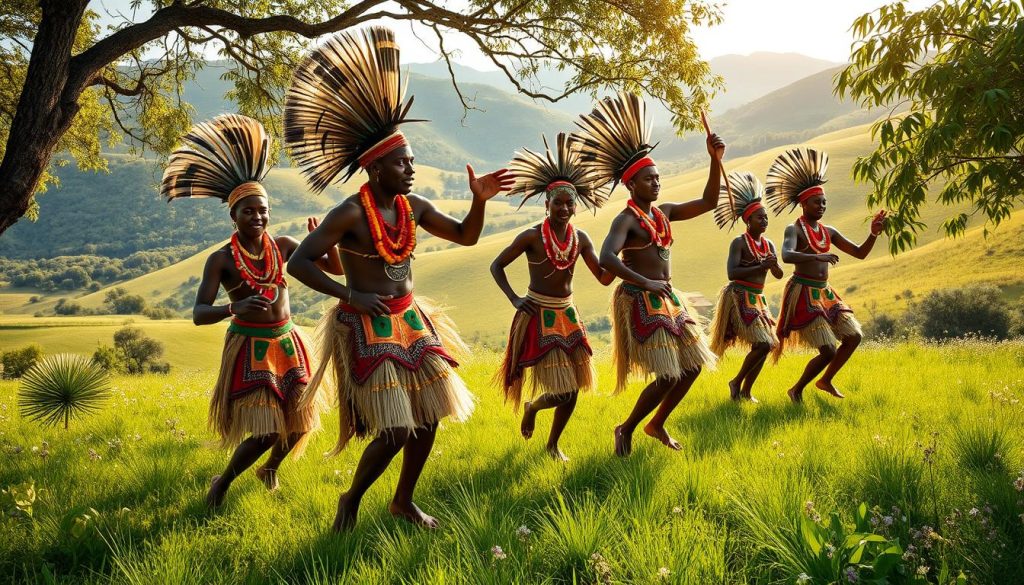
The Zulu Reed Dance, or Umkhosi woMhlanga, is a long-standing tradition in KwaZulu-Natal, South Africa. It’s a African Thanksgiving tradition that honors the harvest and marks young girls’ transition to womanhood.
Every year, thousands of Zulu maidens gather. They cut and present reed plants to the Queen Mother. This act symbolizes their purity and readiness for marriage. The ceremony is a colorful display of traditional beads, feathers, and vibrant clothes, with the maidens dancing and singing together.
“The Zulu Reed Dance is a powerful representation of the Zulu people’s deep connection to the land, their traditions, and their communal spirit of thankfulness.”
The African harvest festivals are more than cultural events. They bring the Zulu community together, celebrate their heritage, and teach values to the next generation. This tradition shows the lasting impact of gratitude and thanksgiving in African societies.
Gratitude in Latin American Cultures
Latin American cultures are rich in traditions that celebrate gratitude, especially during harvest time. Countries across the region honor the earth’s bounty through festivals, rituals, and cultural expressions.
In Mexico, the Day of the Dead (Día de los Muertos) is a colorful celebration. It combines indigenous and Spanish Catholic traditions. Families come together to honor their loved ones who have passed away. They offer gifts, food, and flowers as a way to say thank you for their lives.
The marigold, a key symbol of the holiday, is believed to help guide the souls of the departed back to the living.
The Ecuadorian Inti Raymi, or Festival of the Sun, honors the sun god, Inti, and the agricultural cycle. It happens around the June solstice. The celebration includes music, dance, and sharing the harvest’s bounty. It’s a way to express gratitude for the land’s fertility and blessings.
In Brazil, the Festa Junina, or June Festivals, celebrate the harvest season and the patron saints of agriculture. These festivities mix Catholic and indigenous traditions. They feature traditional music, dance, and seasonal foods like corn and peanuts. It’s a way to honor the land’s hard work and abundance.
Gratitude and appreciation for the earth’s bounty are common themes in Latin American cultures. These celebrations, rituals, and customs show the deep connection between people and the land. They highlight the importance of acknowledging and honoring nature’s gifts.
Honoring the Phases of Life and the Moon
Just as festivals like Día de los Muertos and Inti Raymi honor the cycles of life and nature, connecting with the moon’s phases can offer insights into your personal journey. A personalized moon reading can help you align with these natural rhythms, offering guidance through each lunar phase.
Australian Indigenous Thankfulness Rites
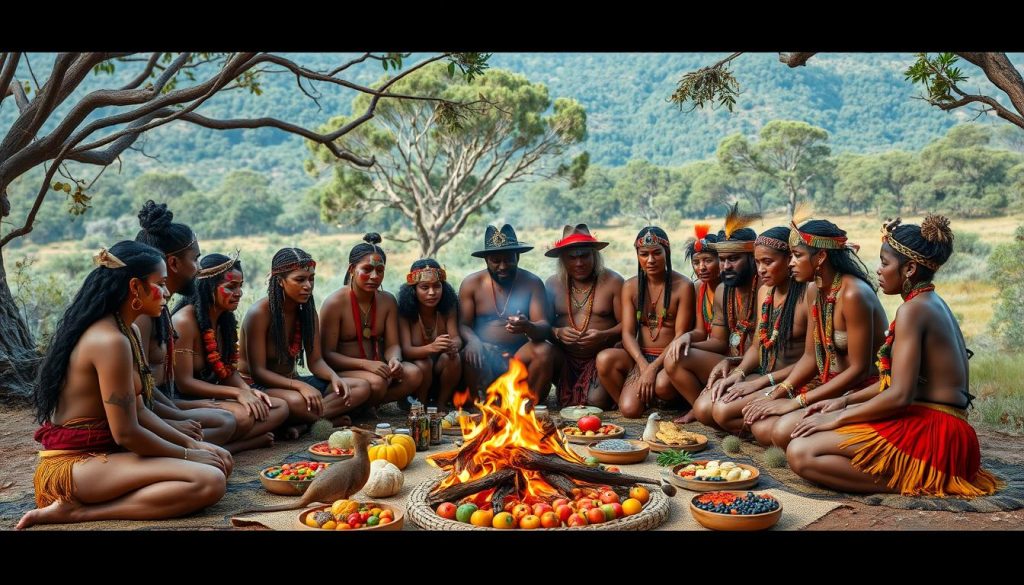
The indigenous communities of Australia have a rich tapestry of traditions and practices when it comes to expressing gratitude and reverence for the land. At the heart of these Australian indigenous Thanksgiving traditions lies the profound spiritual concept of the Dreaming and Songlines.
The Dreaming and Songlines
The Dreaming is a central aspect of the Aboriginal gratitude ceremonies and beliefs. It represents the ancestral creation stories that connect indigenous Australians to the land. These precious narratives are passed down through generations, shaping a deep-rooted appreciation and respect for the natural world.
The Songlines are intricate pathways that crisscross the Australian continent. They map the country through song, dance, and oral traditions. These Dreaming and Songlines are not just physical routes but also spiritual journeys. They celebrate the interconnectedness of all living things.
“The Dreaming is the foundation of Aboriginal life, it is the essence of our being, our connection to the land, our spirituality, and our cultural identity.”
– Noel Pearson, Aboriginal leader and lawyer
Through various Aboriginal gratitude ceremonies and rituals, indigenous Australians express their profound appreciation for the land, the Dreamtime, and the intricate web of life. These practices remind us of the deep connection between the physical and the spiritual. They foster a sense of gratitude and reverence that transcends time and space.
Connect deeper with your heritage and spirituality by booking a private reading and uncovering the personal wisdom these traditions offer.
Gratitude in Religion and Spirituality
Thanksgiving and showing gratitude are key in many religions and spiritual beliefs. From the Christian Thanksgiving to Hindu Diwali and Buddhist mindfulness, they all value appreciation. They see it as a way to connect with the divine or nature.
Christianity
In Christianity, Thanksgiving is about thanking God. The US Thanksgiving started with the Pilgrims’ harvest celebration. Saying grace before meals is another way to show thanks for food.
Hinduism
Hinduism also values gratitude, especially during Diwali and Pongal. Diwali is a time to thank the divine for blessings. Lighting lamps and exchanging gifts are part of this tradition.
Buddhism
Buddhism links mindfulness to gratitude. Buddhists appreciate the present, nature, and Buddha’s teachings. This mindset helps in personal growth and spiritual fulfillment.
Enhancing Your Spiritual Environment
A thoughtfully designed spiritual environment allows for a more immersive experience in religious and cultural practices. Adding a handcrafted altar or prayer table to your space brings warmth and meaning, transforming ordinary moments into divine ones.
FAQ
What is the history and cultural significance of Thanksgiving?
Thanksgiving started as harvest festivals and expressions of gratitude in colonial America. It has grown into a cherished tradition. It celebrates the land’s bounty and the spirit of thankfulness across cultures.
How do Native American communities celebrate Thanksgiving and express gratitude?
Native American cultures have long traditions of gratitude and celebrating the land’s abundance. Their Thanksgiving-like customs include rituals and ceremonies. These honor the Earth and the blessings they receive.
What are some Thanksgiving-like traditions in Asian cultures?
Many Asian cultures celebrate gratitude and thankfulness in their own ways. The Mid-Autumn Festival in China and harvest festivals in India are examples. They share similarities with Thanksgiving.
How do European countries observe harvest celebrations and gratitude rituals?
Europe has a rich history of harvest festivals. These share similarities with Thanksgiving. They involve feasting, community gatherings, and rituals to appreciate the land’s abundance.
What is the spiritual significance of Thanksgiving and gratitude practices?
Thanksgiving and gratitude have deep spiritual meanings across cultures. These traditions are often tied to religious and spiritual beliefs. They foster a sense of interconnectedness and appreciation for the divine or nature.
How do African communities celebrate Thanksgiving-like traditions?
Africa has diverse Thanksgiving-like traditions and ceremonies. The Zulu Reed Dance is an example. It showcases the Zulu people’s rich cultural heritage and gratitude practices.
What are some gratitude practices in Latin American cultures?
Latin American cultures celebrate the harvest and express gratitude. Their unique Thanksgiving-like customs include festivals and rituals. These honor the land’s abundance and the community’s thankfulness.
How do Australian indigenous communities express thankfulness through their traditions?
Australian indigenous communities have distinct traditions of gratitude and reverence for the land. These practices are rooted in the spiritual and cultural significance of the Dreaming and Songlines. They are central to the Australian Aboriginal people’s worldview.
How do various religions and spiritual traditions incorporate gratitude practices?
Thanksgiving and gratitude are significant across different faiths and spiritual traditions. Practices can be found in Christianity, Hinduism, Buddhism, and more. They highlight the universal themes of thankfulness and appreciation for the divine or nature.
As we celebrate gratitude and connect with different cultural traditions, understanding our roots can deepen that appreciation. Discovering your ancestral heritage with a DNA test could offer a unique way to honor the journey of those who came before us.
Creating a space that resonates with gratitude and spiritual intention can transform your celebrations. Discover how our Spiritual Services and Offerings can guide you in building a deeper connection with yourself and your surroundings.
Disclaimer: This content is crafted with the assistance of AI technology, reviewed, and edited for accuracy and readability. Every effort is made to ensure the information provided is reliable, valuable, and accurate. However, please use this content as a guide rather than absolute advice, and always consult a professional or authoritative source for your specific needs.
#AffiliateLink #Ad #CommissionEarned